

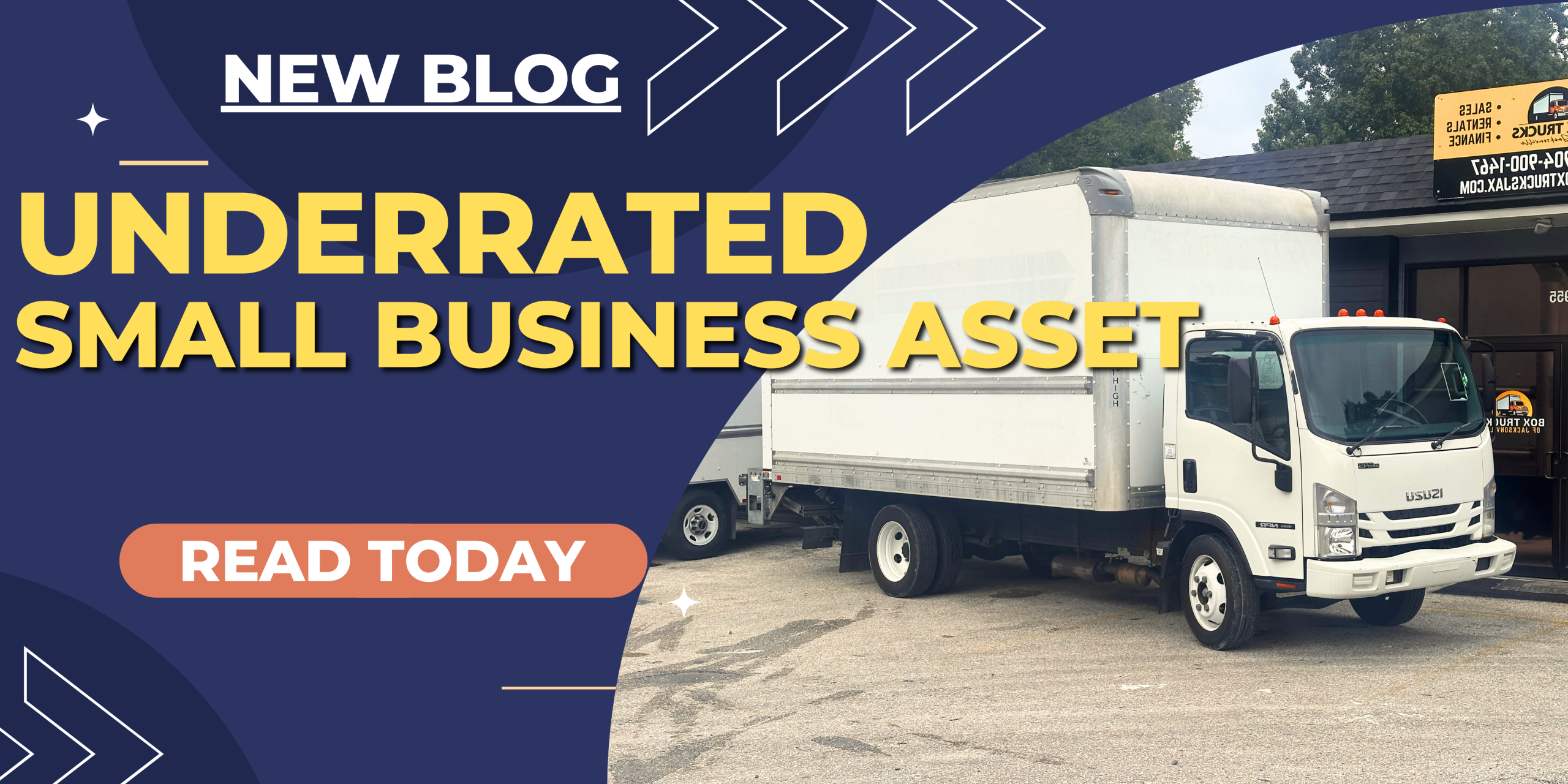
When people think about starting a business, they usually think about an idea first — landscaping, junk removal, moving, deliveries, or contracting.
But the truth is, one of the most powerful business assets you can own isn’t the idea. It’s the vehicle.
A box truck isn’t just transportation. For many entrepreneurs, it becomes the foundation of the entire business.
The Truck Is the Business
Some of the most profitable small businesses are built around a single vehicle.
Think about it:
- Moving companies
- Junk removal
- Appliance delivery
- Furniture delivery
- Mobile detailing
- Courier services
- Event rental delivery
- Construction material transport
In many of these businesses, the box truck is the primary revenue-generating tool.
Without the truck, the business doesn’t exist.
Low Barrier to Entry Compared to Other Businesses
Starting a traditional business can require:
- Retail space
- Employees
- Inventory
- Expensive equipment
A box truck business can often start with:
- One truck
- One driver
- A phone number
- A few online listings
That’s why so many entrepreneurs begin this way. It’s one of the simplest ways to enter business ownership.
A Truck Gives You Flexibility
One thing many new business owners don’t realize is how flexible a box truck can be.
If one type of work slows down, the truck can often be used for something else.
For example:
- A moving truck can haul furniture
- A delivery truck can do store deliveries
- A contractor can haul materials
- A junk removal truck can pick up scrap
This flexibility helps protect your business when markets change.
The Demand for Delivery Is Growing
Over the past decade, demand for delivery and transportation has exploded.
E-commerce, local deliveries, and service businesses all rely on trucks to move products and equipment.
That means there are more opportunities than ever for entrepreneurs who own their own truck.
The Right Truck Matters
Not every truck is the same. Choosing the right one can make a huge difference in how efficiently your business operates.
Factors like:
- Size of the cargo box
- Payload capacity
- Reliability
- Fuel efficiency
- Liftgates and equipment
All affect how useful the truck will be for your work.
For many small businesses, a 16-foot box truck hits the sweet spot between capacity and maneuverability.
A Tool That Builds a Business
Many successful companies start small.
One truck becomes two.
Two trucks become a fleet.
Before long, what started as a single vehicle turns into a full operation with drivers, customers, and recurring work.
But it always starts with the first truck.
If you’re thinking about starting a delivery, moving, or service business, a box truck might be the single most important investment you make.
And with the right truck, it can become the foundation of a business that grows for years to come.
From Food Trucks to Furniture Movers: 12 Surprising Businesses You Can Run Out of a Box Truck
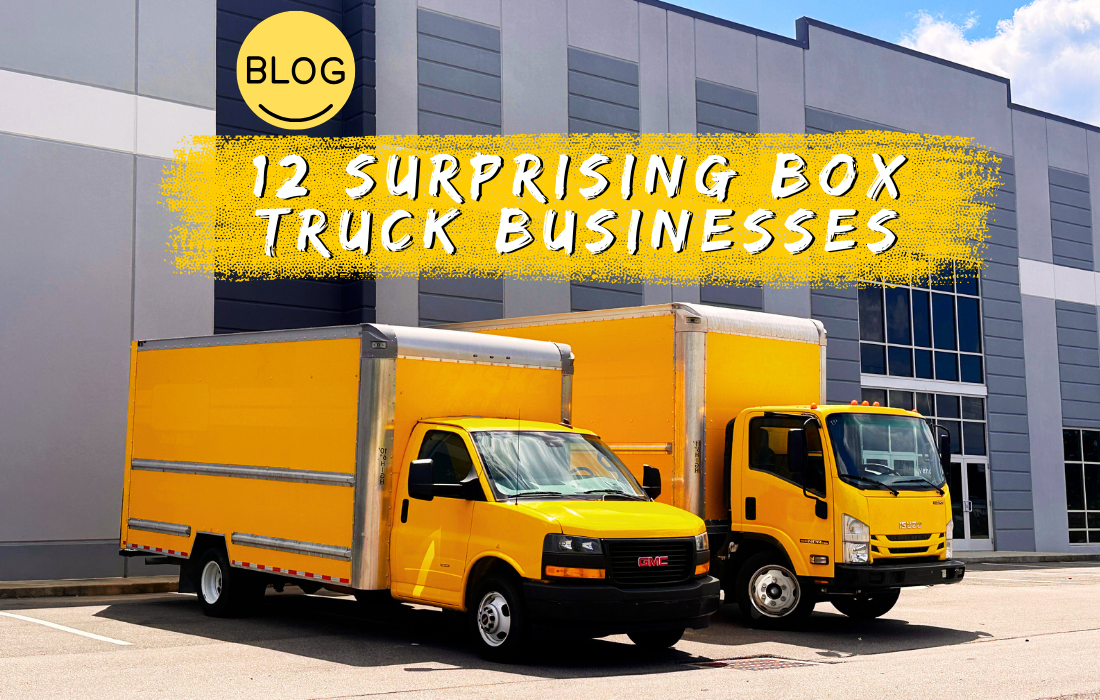
Most people think of box trucks as nothing more than moving vans or delivery vehicles. But in 2025, creative entrepreneurs are using them as the backbone of completely different businesses. With their spacious interiors, mobility, and durability, box trucks are like a blank canvas on wheels. Whether you’re looking for a side hustle or a scalable business model, here are 12 box truck business ideas you can run out of a box truck.
1. Mobile Coffee Shop
Instead of leasing expensive retail space, convert a box truck into a traveling coffee café. With proper permits, you can serve lattes, cold brew, and pastries at events, office parks, and busy downtown areas.
2. Furniture Delivery & Assembly
Big-box stores often charge hefty fees for delivery and setup. A box truck gives you the ability to offer affordable, same-day furniture delivery and assembly services.
3. Pop-Up Clothing Boutique
Fashion entrepreneurs are transforming box trucks into mini boutiques. You can bring the store directly to festivals, flea markets, or neighborhoods, saving thousands on retail rent.
4. Mobile Gym or Fitness Studio
Fitness-on-the-go is a rising trend. Outfit your box truck with equipment for personal training sessions, yoga, or bootcamps, and bring workouts directly to clients.
5. Junk Removal & Hauling Service
Low startup costs, high demand. Box trucks are perfect for hauling away unwanted furniture, appliances, and debris for homeowners and businesses.
6. Event Supply Rental
Chairs, tents, sound systems—event companies need transport. With a box truck, you can launch an event rental business and store everything neatly inside.
7. Mobile Pet Grooming
Pet parents are busier than ever. Outfit your truck with grooming equipment, and you’ve got a traveling salon for dogs and cats.
8. Food Distribution
Think beyond restaurants. Box trucks are perfect for distributing wholesale snacks, drinks, and packaged goods to convenience stores, liquor stores, and small retailers.
9. Mobile Repair Shop
Whether it’s fixing small engines, electronics, or even offering locksmith services, a box truck gives you a mobile workspace you can bring directly to customers.
10. Moving Service for Small Apartments
Not every move needs a massive semi-truck. A 16–20 foot box truck is ideal for small apartment or dorm moves, perfect for students and young professionals.
11. Mobile Art Gallery or Studio
Artists can convert a box truck into a traveling gallery, bringing exhibitions directly to buyers, festivals, or city events. It’s a creative way to stand out in a crowded market.
12. Seasonal Business Hub
Your box truck can change with the seasons—Halloween costume shop in October, Christmas tree delivery in December, fireworks stand in July. One vehicle, multiple revenue streams.
Final Thoughts
A box truck isn’t just a vehicle—it’s a business on wheels. With a little creativity and the right permits, you can turn one into a profitable operation that fits your lifestyle. Whether you’re brewing coffee, hauling furniture, or grooming pets, the opportunities are nearly endless.
The Secret Life of How Box Trucks Are Built
When you see a box truck cruising down the road, it looks simple enough—just a big rectangle on wheels. But the truth is, box trucks aren’t simple at all. They don’t just pop out of a factory like a soda can or a smartphone. They’re assembled in stages, stitched together like Frankenstein’s monster, and given their own strange personalities along the way.
Here’s the real story of how box trucks are built.
Step 1: The Chassis – A Skeleton in Search of a Purpose
Every box truck begins its life as a bare chassis. It’s just a cab, wheels, an engine, and a whole lot of potential. Picture it like a skeleton waiting to be dressed—muscular, intimidating, and totally exposed.
At this stage, the truck doesn’t know what it’s going to be yet. Will it become a delivery truck for a bakery, full of fresh bread smells every morning? Or will it end up hauling construction debris, living a rough-and-tumble life on job sites? Nobody knows yet. It’s a little awkward teenager of the truck world—still figuring itself out.
Step 2: The Box – The Apartment in the Back
Then comes the box. And make no mistake, this isn’t just a wooden crate slapped on top. This is serious engineering: reinforced panels, weatherproof materials, and flooring tough enough to take a beating from forklifts and heavy pallets.
Think of it as a house on wheels. Except this house doesn’t have renters—it has cargo. And instead of being decorated with curtains and throw pillows, it’s equipped with tie-down rails, E-tracks, and metal corners built to survive accidental “oops” moments.
Step 3: The Marriage Ceremony – Cab Meets Box
Once the box is ready, the big moment happens: the cab and the box are joined. This is the wedding day of a box truck’s life. There’s no champagne or flower girls, but there are plenty of bolts, rivets, and industrial adhesives.
The welder is the officiant, the torque wrench is the wedding ring, and when it’s done—you’ve got a forever bond. Cab and box, joined in holy transportation, ready to face the highways together.
Step 4: The Customization – Identity Time
Here’s where the magic (and the weirdness) really begins. Every box truck gets a chance to show off its personality:
- Liftgate? Now it’s the strongman of the fleet, capable of handling heavy jobs with ease.
- Refrigeration unit? That’s the cool kid, literally chill under pressure.
- Custom wrap? The flashy type that loves attention on the road, basically the tattooed rock star of box trucks.
- Roll-up doors or swing doors? That’s like choosing sneakers vs. boots—it changes the whole vibe.
This is where a plain truck becomes something unique.
Step 5: Testing – Baby’s First Steps
After assembly, the new box truck doesn’t just hit the road. It goes through inspections and tests to make sure it can handle whatever life throws at it. It’s like a driving exam, but for something that weighs 14,000 pounds.
The brakes are checked. The doors are slammed shut again and again. The box is inspected for leaks. And when it passes, it’s ready to graduate into the real world.
Step 6: A New Career Awaits
Here’s where the story gets interesting. Each box truck heads out into the world, waiting to be adopted by a business. Some become the backbone of moving companies, hauling people’s couches and heirlooms. Others serve as breadwinners for small businesses—literally delivering bread, or beer, or furniture, or whatever else people need.
The funny thing? No two trucks live the same life. One truck may spend 10 years delivering air conditioners in Florida. Another may rack up a million miles delivering auto parts cross-country. A third may get wrapped in neon graphics and spend its life advertising a taco shop.
Every truck has a story. And it all started with a bare chassis looking for its destiny.
The Big Secret: Why We Love Box Trucks
Box trucks may not have the glamour of sports cars or the brute force of 18-wheelers, but they’re the quiet workhorses of business. They’re built piece by piece, customized for their mission, and then unleashed into the world to carry the weight of someone’s dream.
So next time you see one rolling down the highway, don’t just think “moving van.” Think about the origin story—part skeleton, part apartment, part transformer—and remember: these trucks are built for more than cargo. They’re built to carry opportunity.
👉 And if you’re ready to find a box truck with a story waiting to be written, we’ve got a few lined up, polished, and ready for their next chapter. You can check out our inventory here!
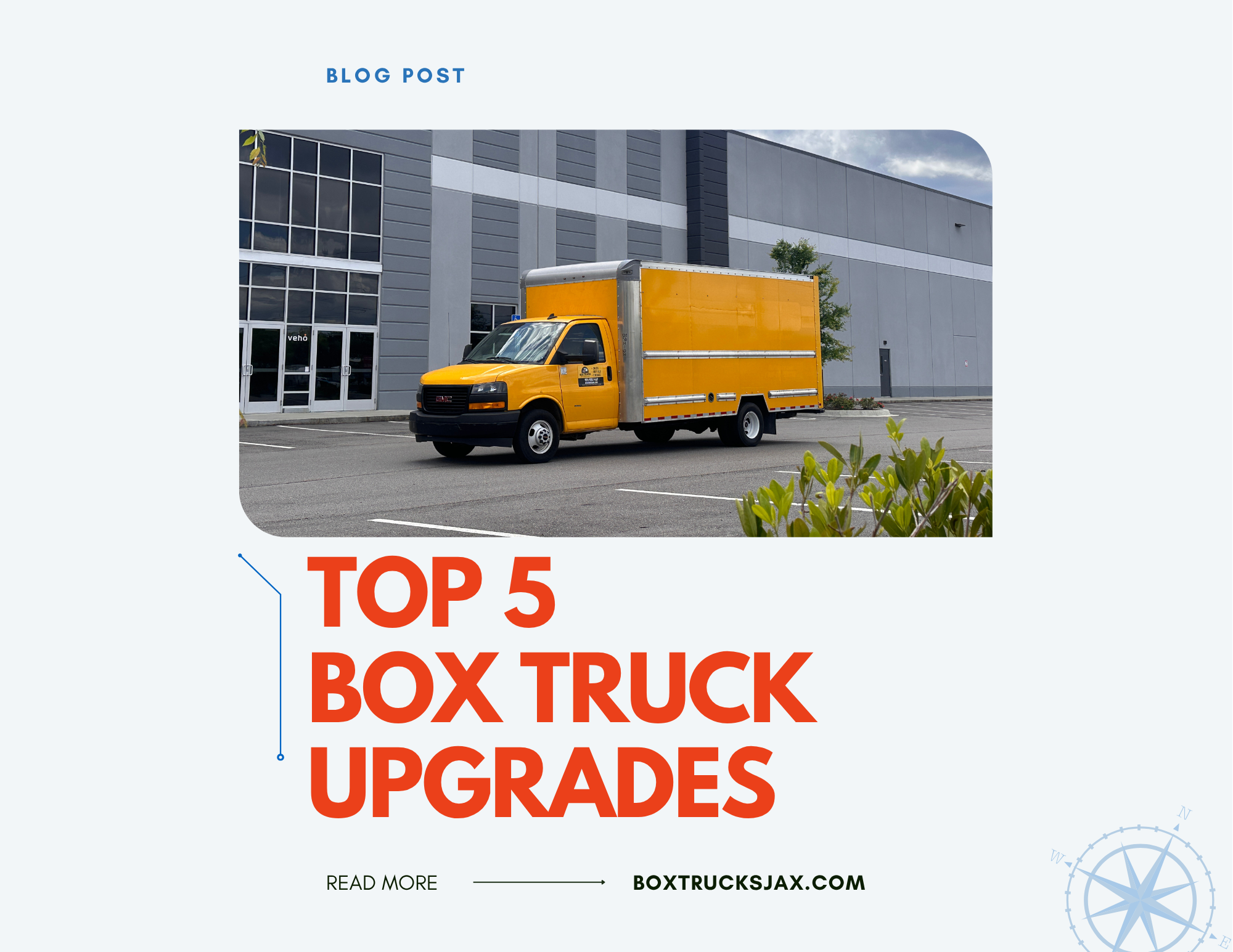
Whether you’re running a delivery business, a moving company, or a mobile workshop, your box truck is one of your biggest investments. But what happens when it’s time to sell or trade it in? The good news: a few smart upgrades can significantly increase your truck’s resale value—and help it sell faster.
Here are 5 box truck upgrades that deliver the best return on investment (ROI) when it’s time to move on.
1. Liftgate Installation
💰 Value Boost: High | 🚚 Buyer Appeal: Broad
A liftgate is one of the most sought-after features by buyers in logistics, delivery, and construction industries. Installing a hydraulic or tuck-away liftgate makes loading and unloading heavy equipment, pallets, or furniture much easier—especially for solo operators.
Why it boosts value:
- Makes the truck usable for a wider range of industries
- Adds perceived professionalism and efficiency
- Saves labor costs for future owners
💡 Tip: Opt for a well-known brand like Maxon, Waltco, or Anthony for better resale value and reliability.
2. Interior Shelving or Racking Systems
💰 Value Boost: Medium | 🚚 Buyer Appeal: Niche but Strong
If your box truck has built-in shelves or custom racking, it becomes instantly more appealing to electricians, plumbers, HVAC techs, and other mobile service professionals. These systems help keep tools and inventory organized—and they eliminate the need for buyers to do it themselves.
Why it boosts value:
- Ready for work from day one
- Saves new owner time and money on upfitting
- Increases functionality and perceived professionalism
💡 Modular shelving that can be removed or adjusted is ideal—it gives your buyer options.
3. Vinyl Wrap or Fresh Paint Job
💰 Value Boost: Medium to High | 🚚 Buyer Appeal: Strong
First impressions matter. A clean exterior with a fresh coat of paint or a professionally removed vinyl wrap (if branded) can make a used truck feel like new. Faded paint or leftover decals scream “used hard,” while a clean exterior says “ready for business.”
Why it boosts value:
- Improves curb appeal and confidence
- Avoids legal issues with leftover branding
- Makes photos stand out in online listings
💡 If your truck had branding, remove the decals carefully and polish the surface to avoid ghosting.
4. LED Lighting and Backup Cameras
💰 Value Boost: Moderate | 🚚 Buyer Appeal: Modern Features Win
Many older box trucks lack tech that modern buyers now expect. LED cargo lights and a backup camera are simple, affordable upgrades that offer safety and convenience. Bonus points if you include side cameras or blind spot sensors.
Why it boosts value:
- Improves visibility and safety
- Adds modern functionality
- Makes your listing more competitive
💡 You can install wireless backup cameras for under $200 with minimal effort.
5. New Tires and Preventive Maintenance Records
💰 Value Boost: Indirect but Powerful | 🚚 Buyer Appeal: Trust Builder
While tires aren’t exactly glamorous, they’re one of the first things buyers check. Fresh rubber can be the difference between a deal and a pass. Even better? Provide a folder or digital record of regular oil changes, brake checks, and major services.
Why it boosts value:
- Shows the truck has been cared for
- Helps the buyer avoid immediate expenses
- Builds trust and transparency
💡 A recent oil change and inspection report can be a low-cost, high-trust bonus for resale.
Final Thoughts: Small Upgrades, Big Returns
You don’t need to spend thousands to raise your box truck’s resale value. A few targeted improvements—especially ones that improve functionality, appearance, or safety—can make your truck far more desirable to potential buyers.
🚛 Need Help Finding or Selling a Box Truck?
At Box Trucks of Jacksonville, we specialize in helping small business owners across the Southeast find reliable, work-ready box trucks—with or without upgrades. We also buy and take trade-ins!
👉 Contact us today to get a free appraisal or browse our available inventory.
So, you’re thinking about buying a box truck—but you’re not exactly sure what to do with it once it’s yours. Or maybe you already have one sitting in your driveway, and you’re trying to figure out how to turn it into a consistent stream of income.
You’re in the right place.
At Box Trucks of Jacksonville, we’ve helped hundreds of small business owners across the Southeast take their first steps—and we’ve seen firsthand how one truck can change someone’s life. The key? Start with a clear plan, move fast, and stay lean. Here’s exactly how to do it.
Step 1: Pick a Profitable Niche (Week 1)
Before you hit the road, pick the right path. You don’t need to reinvent the wheel—some of the most successful box truck businesses stick to proven, in-demand niches. Here are a few to consider:
- Final-mile delivery (appliances, furniture, flooring)
- Moving services (local or regional)
- Logistics partnerships with shipping companies
- Mobile storage or junk removal
- Snack/beverage distribution to C-stores & liquor stores
- Construction site equipment/material hauling
Pick one. Don’t try to be everything to everyone right away.
Step 2: Get Legit & Set Up Shop (Week 1–2)
Within your first two weeks, knock out the basics:
- Register your business (LLC, EIN, bank account)
- Get commercial insurance (this is a must)
- Apply for a DOT number (if crossing state lines)
- Buy basic equipment – dolly, straps, ramp/liftgate if needed
- Secure initial branding (logo, magnets or wraps)
If you need help, we’ve got local partners who can walk you through this part.
Step 3: Start Hustling for Your First Clients (Week 2–4)
This is where most people get stuck—don’t overthink it.
Start with:
- Facebook groups (contractors, real estate agents, small biz groups)
- Craigslist & Facebook Marketplace (post services daily)
- Google Business Profile (free and powerful)
- Flyers at local supply stores, gas stations, tire shops
Start talking to people. If you’re in Jacksonville, I’ll personally send you leads when I get overflow.
Step 4: Build a Repeatable Weekly Route (Month 2–3)
Now that you’ve got some early wins, it’s time to turn chaos into consistency.
Ask yourself:
- Which clients can I serve every week?
- Who needs me on a set route or schedule?
- What partnerships can I build to create steady volume?
You want to move from random gigs to predictable work. That’s where the real money and peace of mind come in.
Step 5: Optimize, Automate & Expand (Month 4–6)
Once you’re covering your costs and pulling a profit, start thinking long-term:
- Outsource admin (bookkeeping, calls, invoicing)
- Automate booking with a basic website or form
- Buy another truck or driver when the time’s right
- Add on services (storage, freight, junk hauling, etc.)
Don’t let your business own you—set it up so you can scale without burning out.
Final Thoughts
You don’t need investors, a big fleet, or a perfect business plan to succeed. You need a box truck, a real work ethic, and a willingness to figure it out as you go.
At Box Trucks of Jacksonville, we’re not just trying to sell trucks—we’re here to help you build something real. If you’re ready to start, we’ll help you find the right truck, get it financed, and even deliver it to your doorstep.
Want to talk strategy? Shoot us a message. Let’s build your future—one truck at a time. Or check out our inventory at https://boxtrucksjax.com/florida-box-trucks/
Top 5 Unexpected Ways a Box Truck Can Generate Extra Income
Introduction
Owning a box truck isn’t just about making deliveries—it’s a versatile asset that can open up multiple income streams. Whether you already run a business or are looking for a creative side hustle, here are five unexpected ways to turn your box truck into a profit machine and start to earn extra income with a box truck.
1. Mobile Billboard Advertising
📢 Turn Your Truck into a Moving Ad Space
Big companies and local businesses are always looking for ways to promote their brands. Instead of just driving your truck, why not get paid to feature ads on it?
- How It Works: Wrap your truck with a company’s ad or use removable vinyl banners.
- Earning Potential: $300–$1,500/month depending on traffic exposure and location.
- Where to Find Clients: Platforms like Wrapify, Carvertise, or direct outreach to local businesses.
2. Event and Pop-Up Shop Transport
🎪 Help Small Businesses Set Up at Events
Food vendors, boutique retailers, and mobile service providers often need a way to transport their goods to festivals, farmer’s markets, and events. If they don’t own a truck, they’ll pay someone who does.
- How It Works: Offer rental services or help businesses move their products.
- Earning Potential: $50–$150 per hour or $500–$1,500 per event.
- Where to Find Clients: Local event groups, Facebook Marketplace, and small business networks.
3. Junk Removal & Scrap Metal Hauling
🗑️ Cash In on People’s Clutter
Homeowners, landlords, and businesses constantly need junk removed, and scrap metal yards pay well for recyclable materials.
- How It Works: Offer clean-out services for homes, offices, and construction sites. Sell valuable metals like copper and aluminum to scrap yards.
- Earning Potential: $500–$2,000 per job, depending on the load.
- Where to Find Clients: Craigslist, Facebook Marketplace, and partnerships with contractors or realtors.
4. Storage & Moving Services for Small Businesses
📦 Provide On-Demand Storage and Short-Distance Moving
Many small businesses need short-term storage or assistance moving equipment but don’t want to rent a warehouse or deal with large moving companies.
- How It Works: Rent space in your truck for temporary storage or assist businesses with small moves.
- Earning Potential: $100–$300 per storage rental or $200–$1,000 per move.
- Where to Find Clients: Local Facebook groups, Thumbtack, and small business networking events.
5. Mobile Workshop or Repair Service
🔧 Turn Your Truck into a Business on Wheels
Instead of just using your truck for transport, turn it into a mobile service operation. Great for mechanics, mobile detailing, handyman services, or even a mobile pet grooming business!
- How It Works: Outfit your truck with the tools needed for mobile services.
- Earning Potential: $500–$3,000+ per week, depending on services offered.
- Where to Find Clients: Local advertising, social media, and partnerships with other small businesses.
Conclusion: Your Box Truck is More Than Just a Truck
Thinking outside the box (truck) can unlock new revenue streams that most people never consider. Whether you turn your truck into a mobile billboard, a moving business, or a storage unit on wheels, there are plenty of ways to generate extra income. We hoped you enjoyed learning how you can earn extra income with a box truck.
📢 Want to learn more about how to maximize your box truck investment? Contact us today to explore financing options, truck upgrades, and business ideas!
Check out our inventory of 16 foot box truck here: https://boxtrucksjax.com/florida-box-trucks/?boxsize=16-foot-box-trucks&listing_order=price&listing_orderby=DESC
Would you like me to refine any part of this or add a call-to-action tailored to your services?

By Dylan Rukab, Box Trucks of Jacksonville
When purchasing a used commercial vehicle, whether it’s a box truck, utility truck, or cargo van, making an informed decision is crucial. These vehicles are essential for businesses in industries like logistics, construction, and delivery services. A poor purchase can lead to unexpected repair costs, downtime, and financial setbacks. Here’s a detailed guide on what to look for when buying a used commercial vehicle to ensure you’re getting the best value for your investment.
1. Determine Your Business Needs
Before diving into the market, assess what you need from a commercial vehicle. Consider the following:
- Size & Capacity: Ensure the vehicle meets your payload and storage requirements.
- Fuel Type: Diesel vs. gas – diesel engines generally last longer but may have higher maintenance costs.
- Mileage Expectations: Higher mileage isn’t always bad, but maintenance history matters.
- Features & Customization: Do you need a liftgate, refrigeration, or shelving?
2. Check the Vehicle’s History Report
A vehicle history report can provide insights into its past, including:
- Accident history
- Previous owners and how the vehicle was used
- Maintenance and service records
- Title status (ensure it’s not salvaged or rebuilt)
- Odometer readings to check for inconsistencies
Websites like Carfax, AutoCheck, or the National Motor Vehicle Title Information System (NMVTIS) can provide detailed reports. If the seller refuses to provide this information, consider it a red flag.
3. Inspect the Exterior and Body Condition
Look for visible damage, including:
- Rust, dents, or cracks in the body
- Signs of previous repairs or repainting
- Tire wear – uneven wear can indicate alignment or suspension issues
- Condition of doors, hinges, and seals
- Frame integrity – any signs of bending or welding could indicate an accident
4. Inspect the Interior
While commercial vehicles are workhorses, the interior still matters for comfort and usability. Check for:
- Seat condition – excessive wear may indicate high mileage and usage
- Dashboard warning lights – any alerts should be diagnosed
- HVAC system functionality
- Working gauges and electrical components
- Cleanliness – excessive dirt or odors could suggest poor maintenance
5. Examine the Engine & Mechanical Components
The engine is the heart of any vehicle, so a detailed check is crucial:
- Start the engine cold – a rough start can indicate potential problems
- Listen for unusual noises like knocking, rattling, or excessive ticking
- Check for leaks under the vehicle – oil, coolant, or transmission fluid leaks are warning signs
- Inspect belts and hoses – look for cracks or fraying
- Battery health – corrosion or difficulty starting could indicate an issue
6. Transmission & Drivetrain Check
Whether manual or automatic, the transmission should shift smoothly. Look out for:
- Slipping gears or hesitation
- Unusual noises when shifting
- Leaks from the transmission
- 4WD or AWD functionality (if applicable)
A test drive will help you gauge the transmission’s condition, especially under load.
7. Brake System Inspection
A vehicle’s brakes are one of the most critical safety components. Check for:
- Brake pedal responsiveness
- Unusual noises like squealing or grinding
- Brake fluid levels and leaks
- ABS functionality (if equipped)
If you feel vibrations when braking, it could indicate warped rotors or other issues.
8. Suspension & Steering Check
A stable and well-handling vehicle is crucial for safety and efficiency. Test for:
- Excessive bouncing or swaying when driving
- Unusual noises when turning
- Steering responsiveness – any play or difficulty turning is a concern
- Leaking shocks or struts
A poor suspension can lead to an uncomfortable ride and higher maintenance costs.
9. Tire Condition & Alignment
Check the tires thoroughly:
- Tread depth – too much wear can lead to reduced traction
- Uneven wear – may indicate misalignment or suspension problems
- Matching tire brands – mismatched tires can affect handling
Good tires are an expensive investment, so consider their condition when negotiating price.
10. Technology & Safety Features
Modern commercial vehicles come with features that improve safety and efficiency. Check for:
- Backup cameras and sensors
- GPS navigation or telematics system
- Bluetooth connectivity for hands-free operation
- Cruise control and lane departure warnings (if applicable)
- Functioning lights and turn signals
11. Have a Professional Inspection Done
Even if you perform your own inspection, having a professional mechanic look at the vehicle before purchasing is highly recommended. They can detect issues you might miss and provide an unbiased evaluation.
12. Price Comparison & Negotiation
Before buying, compare prices on similar vehicles from different sellers. Resources like Commercial Truck Trader, Facebook Marketplace, and local dealerships can help you gauge fair market value.
If you find issues during your inspection, use them as negotiation points to lower the price or request repairs.
Final Thoughts
Buying a used commercial vehicle requires careful evaluation to ensure reliability, safety, and value. At Box Trucks of Jacksonville, we prioritize transparency and quality, offering well-inspected vehicles to support your business.
If you’re in the market for a used commercial truck or van, feel free to contact us today. Let’s find the right vehicle for your needs!
📞 Call us at 904-900-1467
📍 Visit us at 3955 Saint Augustine Rd. Jacksonville, FL 32207
🌐 Check our inventory online at boxtrucksjax.com/florida-box-trucks/
When it comes to acquiring a box truck for your business, the decision to buy new or used can be a tough one. While new trucks come with the allure of pristine condition and the latest technology, used box trucks offer significant advantages that make them an excellent choice for many buyers. In this post, we’ll explore the benefits of purchasing a used box truck versus a new one, focusing on cost savings, depreciation, reliability, customization options, and overall business value.
1. Cost Savings
Lower Purchase Price
The most obvious benefit of buying a used box truck is the lower upfront cost. New box trucks can cost tens of thousands of dollars more than their used counterparts. For small business owners or startups with limited budgets, this price difference can be the deciding factor. A used box truck allows you to allocate funds to other areas of your business, such as marketing, hiring, or equipment upgrades.
Affordable Financing Options
Used box trucks are often easier to finance, as lenders typically offer lower loan amounts, making monthly payments more manageable. Additionally, you’re less likely to overextend your budget when opting for a used vehicle.
Lower Insurance Costs
Insurance premiums for used trucks tend to be lower compared to new ones. This is because the replacement cost of a used truck is less than that of a new one. Over time, this can add up to significant savings, further reducing the total cost of ownership.
You can check out the difference in values over at jdpower.com
2. Reduced Depreciation
New Trucks Depreciate Quickly
One of the most significant disadvantages of buying a new box truck is rapid depreciation. A new vehicle loses a substantial portion of its value as soon as it’s driven off the lot—often as much as 20-30% in the first year alone. For businesses, this means you’re paying a premium for something that will quickly lose its market value.
Used Trucks Hold Their Value Better
In contrast, used box trucks have already undergone the steepest depreciation. This means that if you decide to sell or trade in your truck down the line, you’re likely to recoup a larger percentage of your initial investment.
3. Proven Reliability
Track Record of Performance
One of the benefits of purchasing a used box truck is the ability to review its performance history. You can request maintenance records, accident history, and other details to ensure the vehicle has been well cared for. Many used box trucks have already proven their reliability over years of service, giving you peace of mind about their durability.
Certified Pre-Owned Options
Many dealerships offer certified pre-owned (CPO) box trucks that have been thoroughly inspected and refurbished. These trucks often come with warranties, ensuring you’re getting a reliable vehicle without the hefty price tag of a new one.
4. Customization Opportunities
Pre-Installed Features
Used box trucks often come with valuable customizations already installed by their previous owners. These may include liftgates, shelving, ramps, or specialized interiors tailored to specific industries. Purchasing a used truck with these features can save you thousands of dollars in aftermarket modifications.
Room for Personalization
If the used box truck doesn’t have all the features you need, you’ll still save enough on the purchase price to afford customizations. From branding the exterior with your company logo to adding technology like GPS tracking, you can tailor the truck to meet your exact business needs.
5. Wider Selection
Access to Varied Models
Buying used often gives you access to a broader range of makes, models, and years. This flexibility allows you to find a truck that perfectly matches your requirements in terms of size, capacity, and fuel efficiency. While new trucks are limited to the current year’s lineup, used options span multiple years, offering more variety.
Specialized Vehicles
Certain businesses require highly specialized box trucks, such as those with refrigeration units or extended cargo areas. The used market is often the best place to find these unique configurations at an affordable price.
6. Environmental Benefits
Sustainability Through Reuse
Purchasing a used box truck is an environmentally friendly choice. By extending the life of a vehicle, you’re reducing the demand for new production, which requires significant energy and resources. This approach aligns with the growing trend of sustainable business practices.
Lower Carbon Footprint
Modern emissions standards mean that many used trucks are already equipped with eco-friendly technology, such as improved fuel efficiency and emissions control systems. By buying used, you’re not necessarily sacrificing environmental responsibility.
7. Immediate Availability
No Waiting Period
When purchasing a new box truck, you may face long wait times for factory orders or delivery. Used trucks, on the other hand, are readily available, allowing you to put the vehicle into service immediately. This is especially important for businesses that need to expand their fleet quickly to meet growing demand.
8. Minimal Risk with Proper Inspection
Professional Inspections
Before buying a used box truck, you can have it inspected by a trusted mechanic. This ensures you’re aware of any potential issues before finalizing the purchase. Many dealerships also provide a detailed inspection report, so you can buy with confidence.
Warranties and Guarantees
As mentioned earlier, certified pre-owned trucks often come with warranties. Even if you’re buying from a private seller, extended warranties can be purchased to protect your investment.
9. Flexibility for Growing Businesses
Easier Upgrades
For businesses in their early stages, starting with a used box truck allows for more flexibility. As your business grows, you can easily upgrade to a newer or larger model without feeling locked into a significant long-term investment.
Lower Risk
If your business model changes or you need to pivot, the lower investment in a used truck reduces financial risk. You won’t face the same level of loss as you would with a new truck if you decide to sell or trade it.
10. Strong Dealer Support
Reputable Dealerships
Many dealers specialize in used box trucks and offer robust customer support, including financing, warranties, and service packages. These dealers can help you find a vehicle that meets your needs while ensuring a smooth buying experience.
After-Sales Service
Used truck dealerships often provide maintenance and repair services, making it easy to keep your vehicle in top condition.
Conclusion
While the appeal of a shiny, new box truck is undeniable, the benefits of buying used often outweigh the advantages of going new. Lower costs, reduced depreciation, proven reliability, and customization opportunities make used box trucks a smart choice for many businesses. By thoroughly inspecting your options and working with a trusted dealer, you can find a high-quality used box truck that meets your needs and supports your bottom line.
Whether you’re launching a new venture or expanding an existing fleet, a used box truck offers the perfect balance of value and performance. So, before you commit to a brand-new truck, consider the many advantages of going used—your wallet and your business will thank you.
If you enjoyed this blog, we encourage you to visit our blog page for more box truck information! https://boxtrucksjax.com/blog/
A Beginner’s Guide to Buying Your First Box Truck
And Succeed In The Box Trucks Business!
Buying your first box truck is a major milestone for your business. Whether you’re expanding your services or starting a new venture, a box truck is a versatile tool that can open the door to countless opportunities. However, purchasing a truck is only part of the equation. To truly make the most of your investment, you need to consider the type of work you’ll pursue, secure contracts, and plan your business strategy.
Here’s a comprehensive guide to not only buying your first box truck but also setting your business up for success.
1. Define Your Business Goals
Before you start shopping for a box truck, it’s critical to identify the type of work you’ll be doing. The box trucks business can be tough, and you have to star with clear and big goals in order to make it big. Consider:
- Industry Focus: Are you delivering goods, hauling equipment, or offering moving services? Each requires different truck features.
- Target Market: Understand the needs of your customers and tailor your services accordingly.
- Future Growth: Think about where you want your business to be in five years. Will you need additional trucks or specialized equipment?
2. Secure Work Before Making a Purchase
One of the most common mistakes first-time buyers make is purchasing a truck without having secured work lined up. Avoid this by:
- Finding Reliable Clients: Research local businesses that may need your services and pitch your offerings.
- Getting Contracts in Writing: Verbal agreements can fall through. Ensure you have signed contracts for steady work.
- Partnering with Load Boards: Platforms like DAT or Truckstop can help you find short-term and long-term delivery gigs.
Having guaranteed income before you invest in a truck will help reduce financial risk and give you peace of mind.
3. Set a Realistic Budget
Purchasing a box truck is a significant investment, so planning your finances is crucial. In addition to the cost of the truck, remember to account for:
- Licensing and Registration Fees
- Insurance Costs
- Maintenance and Repairs
- Fuel Expenses
Consider whether you’ll buy a new or used truck, lease, or finance. While new trucks offer reliability and warranties, used trucks can be budget-friendly for startups.
4. Choose the Right Size and Features
The size and configuration of your box truck should match the demands of your business. Ask yourself:
- What size truck will accommodate my typical cargo or workload?
- Do I need special features like a liftgate, refrigeration unit, or side doors?
- How much weight will I be hauling on a regular basis?
Starting with the wrong size truck can lead to wasted money and lost efficiency.
5. Evaluate Gas vs. Diesel
The choice between gas and diesel engines comes down to your specific business needs:
- Gas Engines: Better for local, short-distance deliveries; cheaper upfront cost.
- Diesel Engines: Better for long-distance hauls and heavier loads; more fuel-efficient over time.
Consider your routes and expected mileage before deciding.
6. Work Out Operational Details
Owning a box truck isn’t just about driving; you need to create a plan for managing daily operations:
- Scheduling Deliveries: Use software to stay organized and efficient.
- Tracking Expenses: Keep detailed records of fuel, repairs, and other costs.
- Building Relationships: Happy customers lead to referrals and repeat business.
7. Find a Reliable Dealer or Partner
Always buy your box truck from a reputable dealer or partner. Look for:
- Warranties: A strong warranty can save you money on unexpected repairs.
- Service History: For used trucks, ask for maintenance records.
- Reputation: Read reviews and ask for recommendations from others in your industry.
8. Secure Proper Licensing and Insurance
Depending on the size and weight of your truck, you may need a commercial driver’s license (CDL). Be sure to check local regulations. This is an important part to getting started in the box trucks business.
Invest in comprehensive insurance to cover accidents, cargo, and liability. This is crucial to protecting your business from unexpected setbacks.
9. Understand the Market and Build Your Brand
Once you have your truck, start marketing your business. Use the truck itself as a mobile advertisement by branding it with your logo and contact information. Develop an online presence with a professional website and social media accounts to attract customers.
You can check out Truckstop.com for securing loads.
10. Plan for the Long Term
To maximize your investment, think beyond the day-to-day. Establish relationships with key clients, save for future expansion, and consider how to keep your truck in top condition to extend its lifespan.
Final Thoughts
Buying your first box truck is more than a transaction—it’s an investment in your future. By understanding your business needs, securing work in advance, and choosing the right vehicle, you’ll set yourself up for success.
If you’re ready to take the next step, contact a trusted dealer to explore your options. With the right planning and strategy, your first box truck can be the foundation for a thriving business.
Check out our inventory: https://boxtrucksjax.com/florida-box-trucks/
Why GMC Savana Box Trucks Hold Their Value So Well
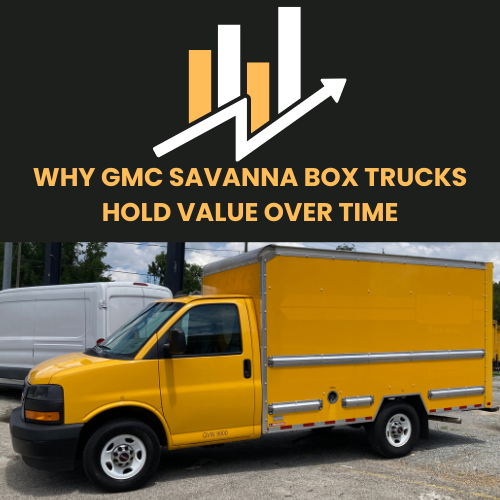
When you’re running a business that relies on transportation, choosing the right vehicle is crucial. One standout option is the GMC Savana Box Truck. Known for its durability and reliability, the GMC Savana not only serves businesses well but also holds its value impressively over time. Let’s dive into why this truck is a smart investment and what makes it such a reliable workhorse.
1. Built to Last
Strong Construction
The GMC Savana Box Truck is built to handle tough jobs. Its sturdy chassis and high-quality materials ensure it can withstand heavy-duty use day in and day out. This solid construction means fewer breakdowns and repairs, which helps keep its value high over the years.
Reliable Engines
Under the hood, the Savana offers dependable engine options like the Vortec 6.0L. These engines are known for their longevity and efficiency. A truck that keeps running smoothly even after many miles is always going to be more valuable when it’s time to sell.
2. Versatile and Customizable
Multiple Configurations
One of the best things about the GMC Savana Box Truck is its versatility. It comes in various sizes and can be configured to fit different business needs, from deliveries to mobile workshops. This flexibility makes it a great choice for many different buyers, which keeps demand high and resale value strong.
Easy Customization
Owning a Savana also means you can customize it to suit your business perfectly. Need special shelving or specific equipment? No problem. When you eventually decide to sell, these custom features can make your truck even more appealing to potential buyers.
3. Trusted Reputation
GMC Brand Trust
GMC has a long-standing reputation for building reliable, high-quality vehicles. This trust extends to the Savana Box Truck, making it a popular choice for businesses. A trusted brand name means buyers are willing to pay more for a used vehicle, knowing they’re getting something reliable.
High Demand
Box trucks are always in demand because they’re essential for many industries. The GMC Savana is especially sought after because of its reliability and versatility. This high demand in the used market means you can sell your Savana quickly and at a good price.
4. Easy to Maintain
Simple Maintenance
One major perk of the GMC Savana is how easy it is to maintain. Parts are readily available, and its straightforward design makes routine maintenance and repairs simple and cost-effective. Trucks that are easy to keep in good shape tend to hold their value better because buyers know they won’t face huge upkeep costs.
Long Lifespan
With proper care, many Savanas run efficiently well past 200,000 miles. This longevity is a big selling point in the used market, as buyers look for vehicles that will continue to perform well for years to come.
5. Cost-Effective Ownership
Fuel Efficiency
While box trucks aren’t typically known for great fuel economy, the GMC Savana offers decent fuel efficiency, especially with its diesel engine option. Lower fuel costs over the life of the truck mean lower overall operating expenses, which adds to its attractiveness when reselling.
Slower Depreciation
All vehicles lose value over time, but the GMC Savana depreciates more slowly than many of its competitors. This means it retains more of its value, making it a better long-term investment.
6. Strong Resale Value
Comparison with Competitors
When you compare the resale value of the GMC Savana Box Truck to other models, it consistently comes out on top. Factors like brand reliability, low maintenance costs, and versatility give it an edge, allowing owners to get better prices when they sell.
Economic Resilience
Even during economic downturns, the Savana holds its value well. Businesses often turn to reliable used vehicles when times are tough, and the Savana’s reputation for reliability makes it a preferred choice. This consistent demand keeps resale values strong, regardless of the economic climate.
Conclusion
The GMC Savana Box Truck is more than just a reliable vehicle; it’s a smart investment. Its robust construction, dependable engines, versatility, and ease of maintenance all contribute to its ability to hold value over time. Whether you’re using it for deliveries, as a mobile workshop, or for any other business need, the Savana offers long-term reliability and strong resale value. If you’re looking for a box truck that provides excellent service and maintains its worth, the GMC Savana is the way to go.
Check out our inventory to see what GMC Savannas we have available right now: click here
Connect with us
